
Morgan County Criminal Court Records
A criminal court record begins when a charge is filed with the court and assigned a cause number. The public case file can show the defendant, charge list, offense statute, offense date, hearings, attorney appearances, bond entries, motions, plea activity, disposition, sentence, and probation-related entries. The record is maintained through the court system and the County Clerk / Clerk of the Circuit Court, not by the jail roster.
Morgan County divides criminal cases among Superior Courts 1, 2, and 3. The county court pages state that each of those courts handles one-third of criminal cases. The Magistrate can hear assigned matters at the discretion of the presiding judges. Juvenile delinquency and CHINS matters are handled by Circuit Court, but juvenile records have separate confidentiality rules and should not be treated like ordinary adult criminal dockets.
Search Morgan County Criminal Cases
Use Indiana MyCase to search public Morgan County criminal court records. The official application model includes a Criminal and Citation category, party search, case number search, citation search, court and county filters, active/open/closed status filters, and filed date ranges. The county's records page instructs users to search case numbers by first and last name.
- Open MyCase and choose party, case number, citation number, or attorney search.
- Enter the defendant name or known case number, then narrow results to Morgan County if needed.
- Use criminal and citation categories, court filters, status filters, or filed date ranges to reduce unrelated results.
- Open the case summary and read the docket for charges, hearings, plea activity, disposition, and sentence entries.
- Ask the Court and Marriage Records division for a certified criminal case copy when the online record is not enough.
For the difference between a charge listing and the later full case outcome, see the Morgan County arrest records and court charges page.
Morgan County Criminal Case Stages
A criminal docket changes as the case moves from filed charges to final outcome. Early entries may show a charging document, warrant or summons action, bond, and arraignment. Middle entries may show discovery, motions, hearings, continuances, plea negotiations, and trial settings. Later entries may show a plea, verdict, dismissal, sentence, probation, costs, or post-judgment activity.
Case flow: Charges Filed › Arraignment › Pretrial / Motions › Plea or Trial › Disposition › Sentencing
| Stage | What Happens |
|---|---|
| Charges filed | The prosecutor files the accusation that starts the criminal court case. |
| Arraignment | The defendant is formally advised of the charge and enters an initial response. |
| Pretrial / motions | The parties file requests, exchange information, set hearings, or resolve bond and evidence issues. |
| Plea or trial | The case ends by plea, court trial, jury trial, dismissal, or other disposition. |
| Sentencing | The court imposes jail, prison, probation, fines, costs, treatment, or other terms if there is a conviction. |
What Morgan County Criminal Records Show
Criminal court records are read field by field. The case number identifies the file. The court line shows which Morgan Superior Court or assigned judicial officer has the case. The charge lines show the filed allegations and statute references. Docket entries show what happened after filing, including hearings, motions, pleas, orders, and sentencing. The final disposition must be read with care because a case can include more than one charge and each charge can end differently.
| Field | What It Shows |
|---|---|
| Case Number | The cause number used by MyCase, the Clerk, the court, and certified-copy requests. |
| Defendant | The person charged, subject to redaction or confidentiality rules when they apply. |
| Charges | Filed allegations, offense statutes, offense dates, and charge level when public. |
| Bond / custody entries | Bond, hold, appearance, or release-related events if entered on the docket. |
| Plea | Guilty, not guilty, or other plea activity recorded in the case. |
| Disposition | The outcome of each charge, such as conviction, acquittal, dismissal, or other resolution. |
| Sentence | Jail, prison, probation, costs, fees, treatment, public defender fees, or specialty court terms if ordered. |
The manifest captured Indiana's criminal expungement chapter at Indiana Code 35-38-9.
That source matters because a public Morgan County criminal case may later be restricted if an expungement order is granted.
Morgan County Charges vs Convictions
A charge is an accusation. A conviction is a final finding or plea of guilt. A Morgan County criminal court record can show charges that were amended, dismissed, reduced, or resolved in different ways. One case can also contain several counts, so the final result must be read charge by charge.
| Point | Charge | Conviction |
|---|---|---|
| Stage | Filed allegation at or after case opening. | Outcome after plea, verdict, or judgment. |
| Meaning | The person is accused, not proven guilty. | The court has entered guilt on that charge. |
| Docket Use | Helps track what was filed and later amended. | Controls sentencing, probation, costs, and many collateral consequences. |
| Public Access | Often public unless restricted. | Often public unless sealed, expunged, juvenile, or otherwise confidential. |
The expungement definitions and scope source appears in the manifest at Indiana Code 35-38-9-1.
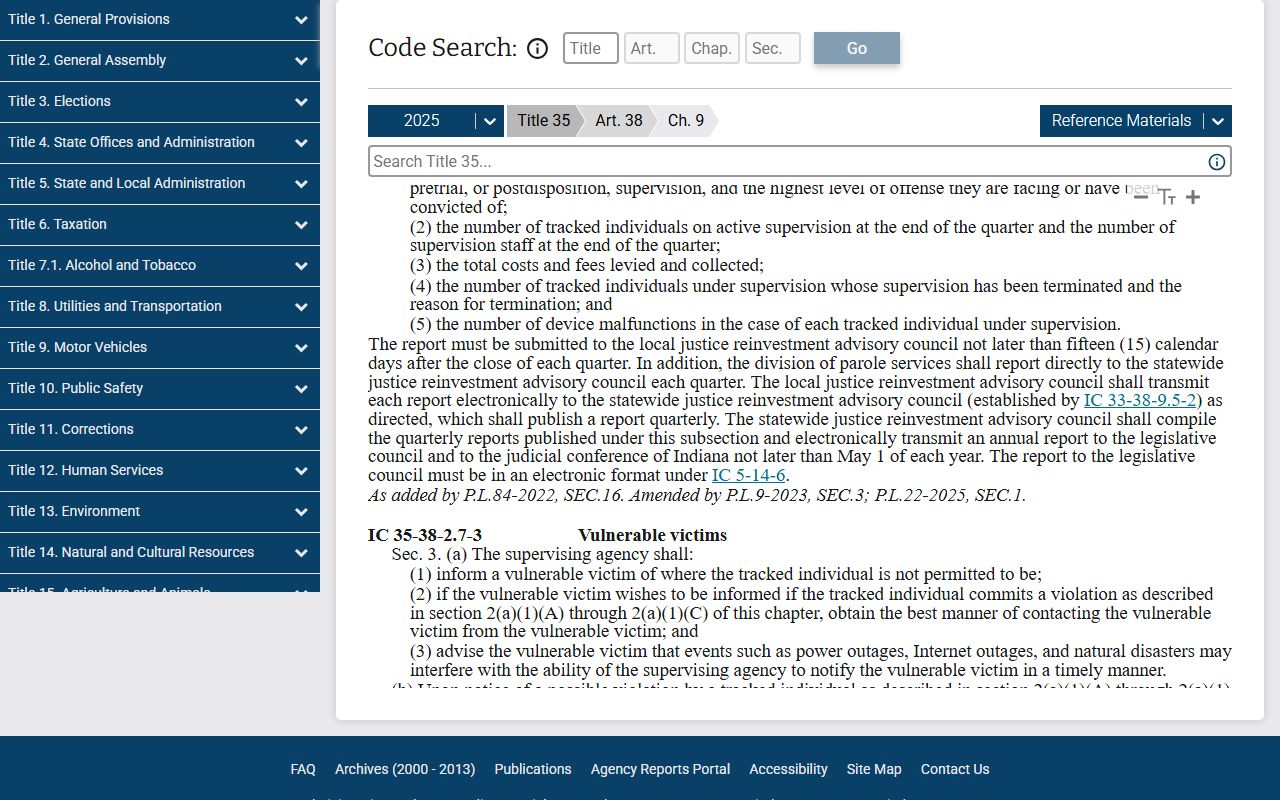
Definitions matter because Indiana expungement law separates arrests, charges, convictions, and related records.
Read Dispositions and Sentences
A disposition is the court outcome. Common outcomes include guilty, not guilty, dismissed, acquitted, diverted, amended, or resolved by plea. Sentencing follows only if there is a conviction or plea that requires a sentence. The sentence can include jail, prison, probation, treatment, court costs, public defender fees, testing fees, or other terms.
Specialty programs can affect sentencing in some Morgan County criminal cases. The official Mental Health Court page says Superior Court 1 handles a voluntary program for people whose mental-health issues repeatedly bring them into the criminal justice system. The Veterans Program is a Morgan Superior Court 1 partnership with Monroe County Courts. Those programs do not make the whole criminal file public or private by themselves, but program participation and treatment details may be limited by court rules.
Sealed vs Expunged Criminal Records
Sealing and expungement both restrict public access, but they are not the same. Indiana expungement is a statutory process under IC 35-38-9. A qualifying person files in the county where the arrest, charge, or conviction occurred and must identify the relevant case or cause numbers. Eligibility and waiting periods depend on the type of record and offense.
| Point | Sealed | Expunged |
|---|---|---|
| Public Visibility | Hidden or limited by court order, rule, or law. | Public access is restricted under the expungement order. |
| Record Existence | The record still exists in court or agency systems. | The record is not erased from every government system. |
| Access After Relief | Courts and authorized users may retain access. | Law enforcement, courts, prosecutors, and some licensing users may retain access. |
| Morgan County Step | Use MyCase and the Clerk to identify cause numbers. | File under the applicable Indiana expungement section if eligible. |
The manifest includes the arrest or charge expungement provision at Indiana Code 35-38-9-2.
This section is especially relevant when an arrest or charge did not result in conviction.
Access to Morgan County Criminal Records
Adult criminal court records are often public, but Indiana access rules still control what can be seen online. The Indiana Rules on Access to Court Records and the Indiana Access to Public Records Act work together. Public MyCase access can show a case summary while sensitive filings, personal identifiers, sealed records, and expunged records stay hidden.
Key Sources:
Indiana Code 35-38-9 governs qualifying criminal expungement petitions and access limits after relief.
Indiana Code 31-39 gives juvenile court records separate confidentiality rules.
The manifest captured the Indiana juvenile records chapter at Indiana Code 31-39.
Juvenile confidentiality is a major reason a Morgan County matter may not appear like an adult criminal case.
Federal Criminal Records Are Separate
Morgan County state criminal court records are not federal criminal records. Federal criminal cases for Morgan County are handled by the U.S. District Court for the Southern District of Indiana, with federal filings accessed through PACER or CM/ECF. The U.S. Attorney's Office for the Southern District of Indiana handles federal prosecutions, not local Morgan County trial-court cases.
Use state court channels for Morgan County Superior Court criminal cases. Use federal channels only when the case is in federal court, involves a federal offense, or appears on a federal docket. A state arrest, state charge, county jail booking, and federal prosecution are separate record systems.
The manifest includes the U.S. Attorney's Office for the Southern District of Indiana.
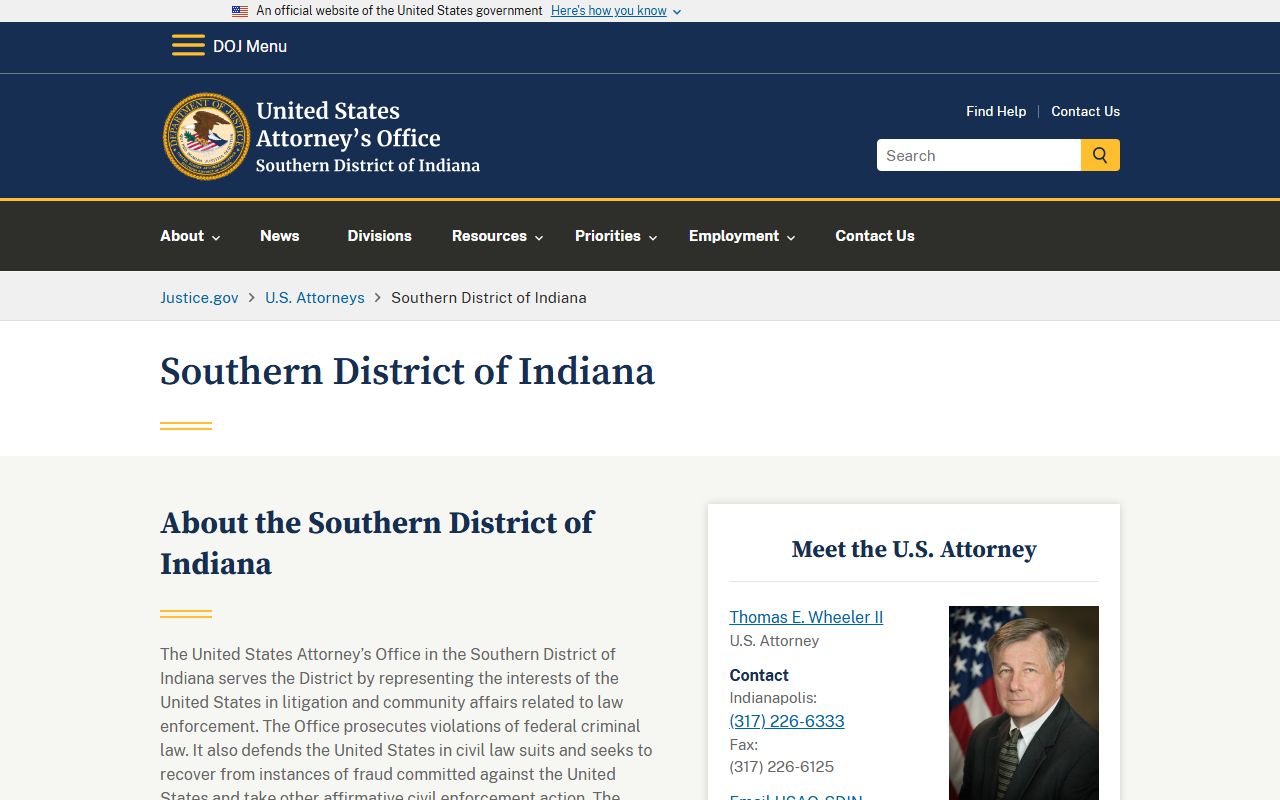
That image is included to clarify the boundary between Morgan County criminal court records and federal criminal prosecutions.
Restricted Morgan County Criminal Records
Restricted criminal record categories include juvenile records, sealed cases, expunged records, mental-health details, adoption-related material, protected addresses, minor identifiers, financial account numbers, and filings closed by law or court order. Public MyCase results can also omit documents even when the case summary remains visible. The Clerk's records staff can explain copy channels, but the Clerk cannot make a confidential record public without legal authority.
For copies, contact Morgan County Court and Marriage Records at 180 S Main St, Suite 172, Martinsville, IN 46151, phone (765) 205-1601. For the Clerk's general office, use (765) 205-1548. For active case scheduling, use the assigned court phone shown on the Morgan County court pages.
The manifest includes the juvenile access provision at Indiana Code 31-39-1-2.
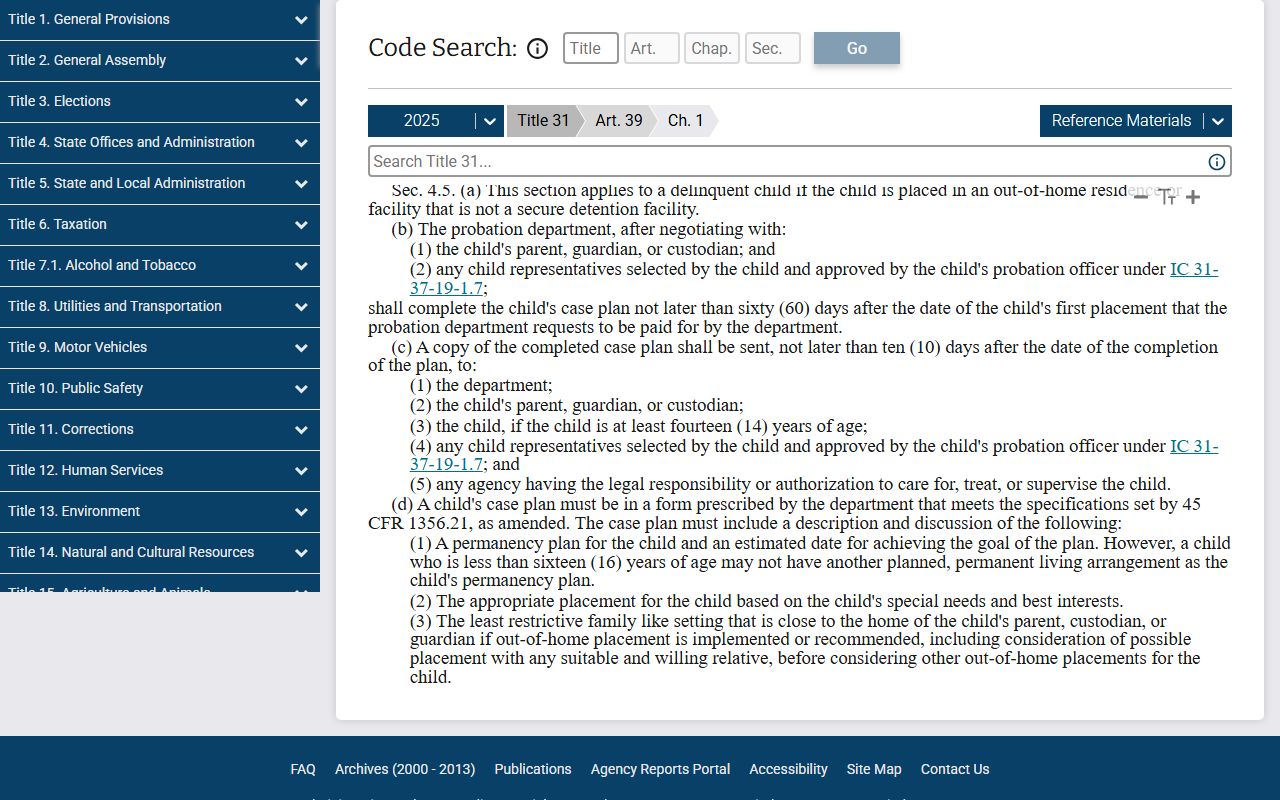
This provision reinforces why juvenile matters in Morgan County should not be treated as normal public criminal dockets.